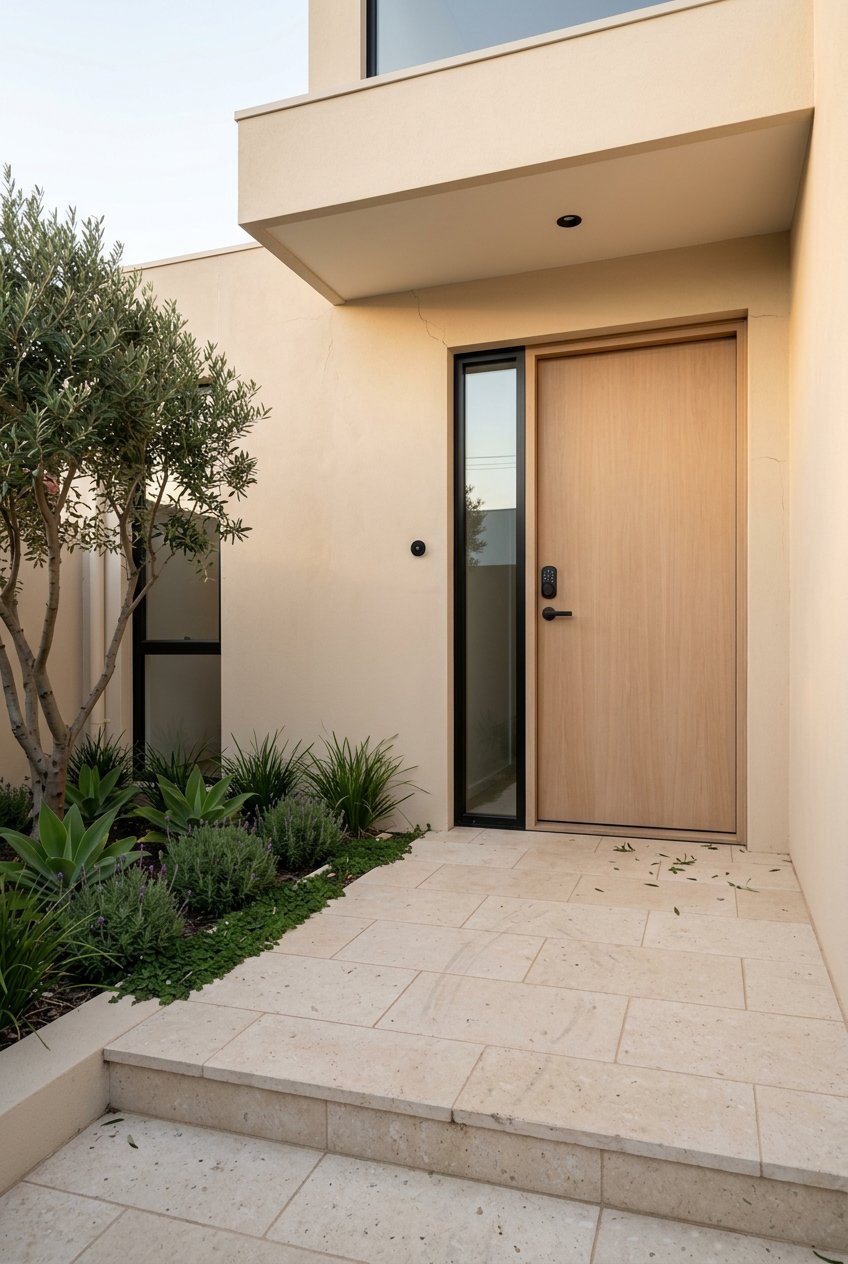
Newport Beach Short Term Rentals: Rules, Caps & Compliance
March 5, 2026
March 5, 2026
Thinking about buying a place in Newport Beach and renting it short term? The opportunity is real, but so are the rules. Between city permits, HOA restrictions, and coastal considerations, the details matter. In this guide, you’ll learn how the City’s program works, what properties qualify, how permits transfer, and what to expect day to day as a host. Let’s dive in.
Short-term lodging in Newport Beach means rentals of fewer than 30 consecutive days. To operate legally, you need two things: a City Short-Term Lodging (STL) permit and a City business license. The City’s program is comprehensive and sets clear expectations for owners and guests. You can review the City’s overview and owner resources on the Short-Term Rentals page to understand how applications, renewals, and reporting work. Visit the City’s Short-Term Lodging program and owner resources for details at the official City site.
Eligibility depends on zoning and neighborhood-specific standards. The City’s land use codes identify which zones allow short-term lodging and include additional limits in select areas. For multi-unit buildings, the standards for specific land uses in Title 21 outline special limits that apply to developments with multiple units and certain islands.
R-1 single-unit residential parcels are largely excluded from new permits issued after June 1, 2004. Older permits that remained valid at that time can continue under the rules. Because these details can be highly specific to a parcel, you should verify a property’s status using the City’s Short-Term Lodging Permit Registry and address search before you make plans or run projections.
Newport Beach caps the total number of active STL permits citywide. When the cap is reached, the City maintains a waitlist and will not issue new permits until counts fall below the cap. This is why many buyers target properties that already hold a valid permit.
If you are buying a permitted home, pay close attention to transfer rules. The municipal code allows transfers, but you must meet specific timelines and provide documentation based on the type of title change. The City also publishes a step-by-step transfer process so you can retain the permit through closing. Start by reviewing the municipal code chapter on Short-Term Lodging and the City’s permit transfer guidance so you know the deadlines and paperwork you will need.
Permit conditions shape how you run the rental day to day. The City’s official Permit Conditions document is the definitive checklist owners must acknowledge and follow. Highlights include:
Violations can lead to citations, fines, and permit suspension or revocation. Review the City’s Permit Conditions to align your house rules and guest communications from day one.
Hosts must collect and remit Transient Occupancy Tax and related visitor service fees as required by the City. The City’s reminders and rules explain how collection, remittance, and platform directives work. The Finance Director may direct a hosting platform or agent to collect and remit taxes in certain cases, but you remain responsible for compliance.
The Revenue Division coordinates applications, business licenses, and annual renewals. Renewal and TOT forms are generally mailed in late September and due by October 31 each year. Build these timing milestones into your operational calendar so you file on time.
Newport Beach enforces its STR program. The municipal code authorizes administrative citations, civil or criminal penalties, and structured suspension or revocation for repeated violations. For example, two or more relevant violations in a 12-month period can lead to a six-month suspension, and permits that are not used for two consecutive years can be closed. Owners can request administrative hearings as part of the process. In practice, staying proactive with guest screening, local-contact responsiveness, trash and parking guidance, and clear house rules is the best risk control.
If a property is in a common interest development, your HOA’s recorded CC&Rs and rules matter. California’s recent laws reshaped what HOAs can and cannot do with rentals. AB 3182 and related changes to the Civil Code allow HOAs to prohibit transient rentals of 30 days or less, while limiting older, broad restrictions on longer leases. More recently, AB 130 adjusted how HOAs can enforce CC&R violations and limited monetary penalties in many cases. These HOA rules operate alongside City permits, so both must allow short-term use for your plan to work.
What to do: pull CC&Rs early in escrow, confirm any rental restrictions with the association, and align your purchase strategy with both City and HOA requirements. If an HOA prohibits short-term rentals, consider a 30-plus day furnished strategy instead.
Accessory dwelling units and junior ADUs in Newport Beach are typically deed restricted for long-term occupancy. The City’s ADU guidance confirms you cannot use ADUs for short-term rentals. If you are modeling income, do not count ADU nights in your projections.
Coastal neighborhoods may also have added layers of review. The City’s Local Coastal Program has been amended in coordination with the California Coastal Commission over time, which helps explain some neighborhood-specific limits. If you are buying near the water, account for these overlays as you evaluate property fit and permit status.
Every neighborhood has a different profile for demand, density, and operating friction. A few high-level notes can help you focus your search:
Before you shortlist homes, open the City’s permit registry map to see existing permits on the block and gauge neighborhood saturation. Higher density can mean faster enforcement response and more need for clear house rules.
Use this quick list to stress test a property before you write an offer:
Because of zoning limits and the citywide permit cap, the most reliable path is often to buy a property that already carries a valid STL permit and then complete the transfer on time. If a short-term permit is not viable due to HOA or zoning, consider a furnished, 30-plus day rental strategy that aligns with local rules.
If you want help surfacing eligible homes, auditing CC&Rs, planning a compliant guest experience, and setting up a premium listing presentation, we can support that process end to end.
Ready to explore a Newport Beach short-term rental with confidence? Connect with JoJo Romeo & Associates to align your purchase, permitting, and presentation for long-term success.
Stay up to date on the latest real estate trends.





As one of coastal Orange County's premier luxury real estate experts, JoJo Romeo-Watson is known by peers and clients alike for her integrity, perseverance and high-level negotiation skills, along with her grounded personality and infectious enthusiasm. JoJo is committed to providing unmatched service, responsive communication, and meticulous attention to detail and transparency throughout each transaction - all delivering exceptional results for her clients.

1200 Newport Center Dr Ste 100 Newport Beach CA 92660