Design Led Staging Strategies For Turtle Ridge Sellers
May 7, 2026
May 7, 2026
What if the difference between a good offer and a great one starts long before your home hits the market? In Turtle Ridge, buyers are not just comparing square footage or bedroom count. They are reacting to how a home feels online, in photos, and the moment they walk through the door. If you are planning to sell, a design-led staging strategy can help your home read as polished, spacious, and worth its asking price. Let’s dive in.
Turtle Ridge sits high in Irvine and is known for its hillside setting, open space, and view-oriented homes. Planning materials describe the community as a Tuscan-leaning village with 2,155 homes, a 735-acre open-space preserve, and an extensive trail system. That setting shapes what buyers notice first: light, layout, and how the home connects to its surroundings.
This is also a premium but selective market. As of March 2026, Turtle Ridge had a median listing price of $2.85 million, with homes selling an average of 2.47% below asking and a median of 34 days on market. In other words, strong pricing is possible, but presentation still matters.
That is where staging becomes strategic, not cosmetic. According to the National Association of Realtors 2025 Profile of Home Staging, 83% of buyers’ agents said staging made it easier for buyers to visualize a property as a future home. Nearly half also said staging reduced time on market, and 29% reported that staging led to a 1% to 10% increase in the dollar value offered.
In a luxury-leaning market like Turtle Ridge, buyers tend to respond to clarity. They want to understand how the home lives, how the main rooms connect, and whether the finishes feel current enough to justify the price point. Staging helps remove distractions so those answers feel obvious.
That does not mean filling every room with furniture or decor. It means making smart design choices that support scale, flow, and emotion. The goal is to help buyers picture themselves enjoying the great room, waking up in the primary suite, and moving easily from the kitchen to outdoor living areas.
NAR’s 2025 data supports that focus. Buyers’ agents ranked the living room as the most important room to stage, followed by the primary bedroom and kitchen. Those are the rooms where your staging dollars and preparation time are most likely to have impact.
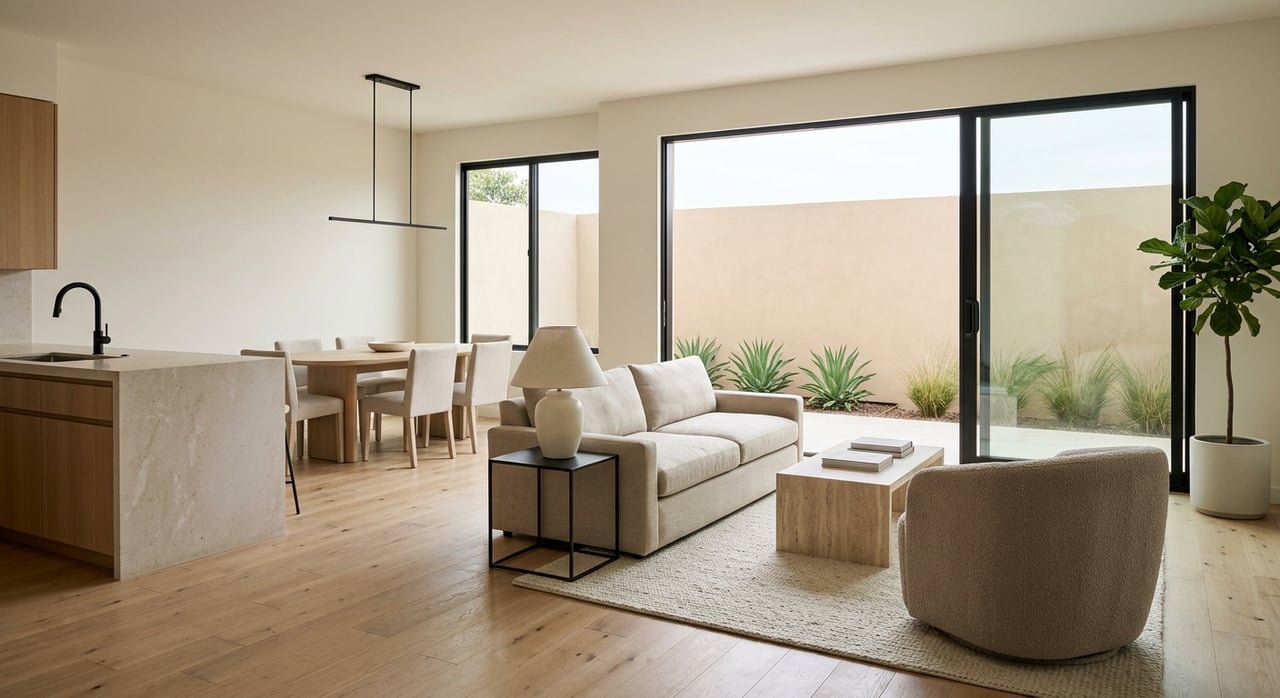
One of Turtle Ridge’s biggest advantages is its elevated setting. When a home has views, natural light, or a visual connection to patios and open space, staging should protect those sightlines instead of blocking them. This is especially important in main living areas, where buyers are often deciding whether the home feels special.
Low-profile furniture usually works better than bulky pieces. Clean layouts with fewer visual barriers near windows and doors help the room feel open and let buyers take in the setting right away. If your home has a balcony, patio, or deck, it should feel connected to the interior rather than separate from it.
This kind of restraint often reads as more luxurious than overdecorating. In high-value homes, buyers usually notice balance and proportion more than accessories.
Color can make a home feel current, calm, and move-in ready, or dated and distracting. In Irvine’s spring 2026 home trends, fresh interior paint was among the top value-linked features. That makes paint one of the most practical pre-sale improvements for sellers who want a strong visual reset.
For Turtle Ridge, a neutral or lightly warm palette is usually the safest choice. Soft whites, light taupes, warm grays, and gentle stone tones tend to support the area’s hillside character and work well with both traditional and updated interiors. Strong color statements can pull attention away from architecture, light, and views.
Texture also matters. Linen, light wood, matte metal, and subtle stone-inspired finishes can create depth without making the home feel busy. The effect should feel refined, not staged for staging’s sake.
Many Irvine buyers respond well to large great rooms and open-concept living, according to Redfin’s 2026 home-trend data. In Turtle Ridge, that means your main living space should be staged as the anchor of the home. Buyers should immediately understand where conversations happen, where guests gather, and how the room flows into dining, kitchen, and outdoor areas.
Start by removing anything that shrinks the room visually. Oversized sectionals, too many accent chairs, and heavy furniture can interrupt circulation. Instead, use scaled seating that defines a conversation area while leaving clear walking paths.
The room should feel functional, but not crowded. A well-placed rug, a simple coffee table, and a few edited accessories are often enough to establish comfort and sophistication.
If you are deciding where to invest first, focus on the rooms buyers notice most. NAR found that the living room, primary bedroom, dining room, and kitchen were the spaces most commonly staged, with the living room and primary bedroom carrying especially high importance.
Your living room should feel bright, calm, and easy to understand. Open the window coverings, reduce visual noise, and keep the furniture arrangement simple. If there is a fireplace, built-in storage, or French doors, staging should help those features stand out.
The primary bedroom should feel restful and spacious. Use streamlined furniture, layered neutral bedding, and minimal decor. Clear nightstands and open floor space help the room feel more elevated and less personal.
The kitchen should read as clean and current, even if you are not doing a full remodel. Clear countertops, add restrained styling, and make sure lighting, hardware, and finishes feel cohesive. Buyers often respond well when kitchens look polished and easy to maintain.
Dining spaces help buyers understand how the home entertains. A simple table setting, balanced lighting, and enough space around the table can make the room feel more usable. In open-concept homes, the dining area should support flow rather than compete with the great room.
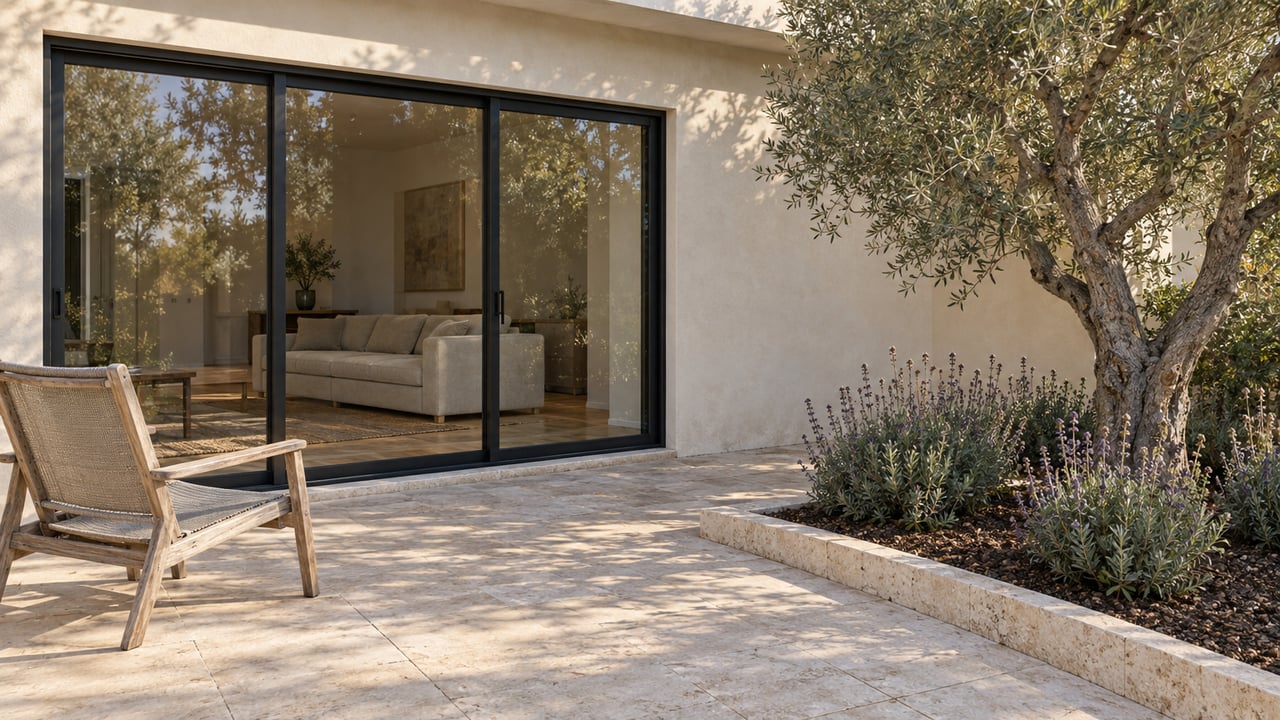
In Turtle Ridge, outdoor areas should never feel like an afterthought. The local setting includes preserved open space, trails, and a strong relationship to the outdoors, so buyers are likely to notice how your home handles that connection. Even a modest patio or balcony can add meaningful appeal when it feels intentional.
Keep hardscape clean and uncluttered. Make sure exterior lighting works, planters are simple, and furniture is scaled to the space. The goal is to show that outdoor living is part of the home’s day-to-day function, not just extra square footage.
Clear transitions matter too. If buyers can stand in the great room and immediately understand how they would step outside for coffee, dinner, or quiet time, the home often feels more complete.
Not every home needs a major renovation before sale. In fact, the most believable pre-sale improvements for Turtle Ridge are often cosmetic, selective, and design-focused. These updates can improve photos, showings, and first impressions without overcomplicating the process.
Based on current staging guidance and Irvine market signals, smart pre-sale updates may include:
NAR’s 2025 seller-agent survey found that the most common seller recommendations included decluttering, entire-home cleaning, improving curb appeal, professional photos, minor repairs, carpet cleaning, depersonalizing, paint touch-ups, and landscaping outdoor areas. These are often the highest-value first steps because they improve both in-person experience and online presentation.
Today, staging is not only about how your home feels in person. It is also about how it performs in listing photos and video. NAR’s 2025 research found that photos were the most important marketing tool to sellers’ clients, and buyers often viewed many homes virtually before purchasing.
That matters in Turtle Ridge, where buyers may compare several high-end options before deciding which homes deserve an in-person visit. If your rooms look dark, cramped, awkwardly furnished, or overly personal online, you may lose interest before a showing ever happens.
A design-led approach plans for the camera. That means editing furniture, balancing light, reducing clutter, and styling each room so it reads clearly in wide-angle photography. For vacant or visually awkward spaces, virtual staging can also be a useful bridge when done thoughtfully.
If you want to keep the process organized, this sequence works well for many Turtle Ridge listings:
This approach helps you spend intentionally. It also keeps your preparation focused on what buyers are most likely to notice.
In a neighborhood where homes can command premium pricing but buyers still negotiate, staging should be tied to strategy. The point is not to make your home look trendy. The point is to help buyers understand the value they are being asked to pay for.
That is why design-led preparation tends to work best when it is tailored to the home itself. A view property needs one plan. A home with a large great room needs another. A house with dated finishes may benefit more from selective updates than from adding more accessories.
When staging, cosmetic improvements, photography, and pricing all work together, the home tells a more convincing story. And in Turtle Ridge, that story needs to feel calm, elevated, and easy to believe.
If you are thinking about selling, JoJo Romeo & Associates can help you create a complimentary home valuation & transformation plan that aligns design, presentation, and market strategy for your Turtle Ridge home.
Stay up to date on the latest real estate trends.

As one of coastal Orange County's premier luxury real estate experts, JoJo Romeo, Global Real Estate Advisor is known by peers and clients alike for her integrity, perseverance and high-level negotiation skills, along with her grounded personality and infectious enthusiasm. JoJo is committed to providing unmatched service, responsive communication, and meticulous attention to detail and transparency throughout each transaction - all delivering exceptional results for her clients.
1200 Newport Center Dr Ste 100 Newport Beach CA 92660