From Lived-In To Market-Ready In Irvine: A Transformation Roadmap
July 2, 2026
July 2, 2026
Wondering how much you really need to do before listing your Irvine home? In a market where buyers are paying close attention to presentation, timing, and value, the jump from lived-in to market-ready can feel overwhelming. The good news is that you do not need to guess. With the right roadmap, you can focus on the updates that reduce friction, support strong pricing, and help your home make the best possible first impression. Let’s dive in.
Irvine remains an expensive, moderately competitive market. Over the three months ending May 2026, homes in Irvine sold for a median of $1,524,088 and spent about 42 days on market, while 23.1% sold above list price and 31.6% saw price drops. In Orange County, median days on market were 43 in May 2026, and homes sold for about asking price on average.
What does that mean for you as a seller? It means preparation matters. In a market like this, pre-listing transformation can help reduce friction at launch and support top-of-market positioning, especially when buyers are comparing polished homes against listings that feel unfinished or overpriced.
Before you spend money, start with a room-by-room walkthrough and a realistic punch list. This step helps you separate true priorities from projects that may not move the needle.
Focus first on the issues buyers notice right away. According to the National Association of Realtors staging survey, agents most often recommend decluttering, whole-home cleaning, removing pets during showings, minor repairs, paint touch-ups, professional photos, and landscape or outdoor-area work.
That list is practical for a reason. Buyers tend to react quickly to clutter, odors, worn finishes, and deferred maintenance, even when the home itself has strong bones and a good floor plan.
As you walk through your home, pay close attention to:
These are often the fastest opportunities to improve the way your home shows without taking on a full remodel.
Not every room carries the same weight when your home hits the market. The staging survey found that the rooms most often staged are the living room, kitchen, primary bedroom, and dining room.
That gives you a smart place to focus your time and budget. If you are trying to decide where to invest first, start with the areas that set the emotional tone of the home and appear most prominently in photos and showings.
Your living room often anchors the story of the home. It should feel open, comfortable, and easy to understand at a glance. Edit bulky furniture, simplify styling, and create a layout that highlights natural light and flow.
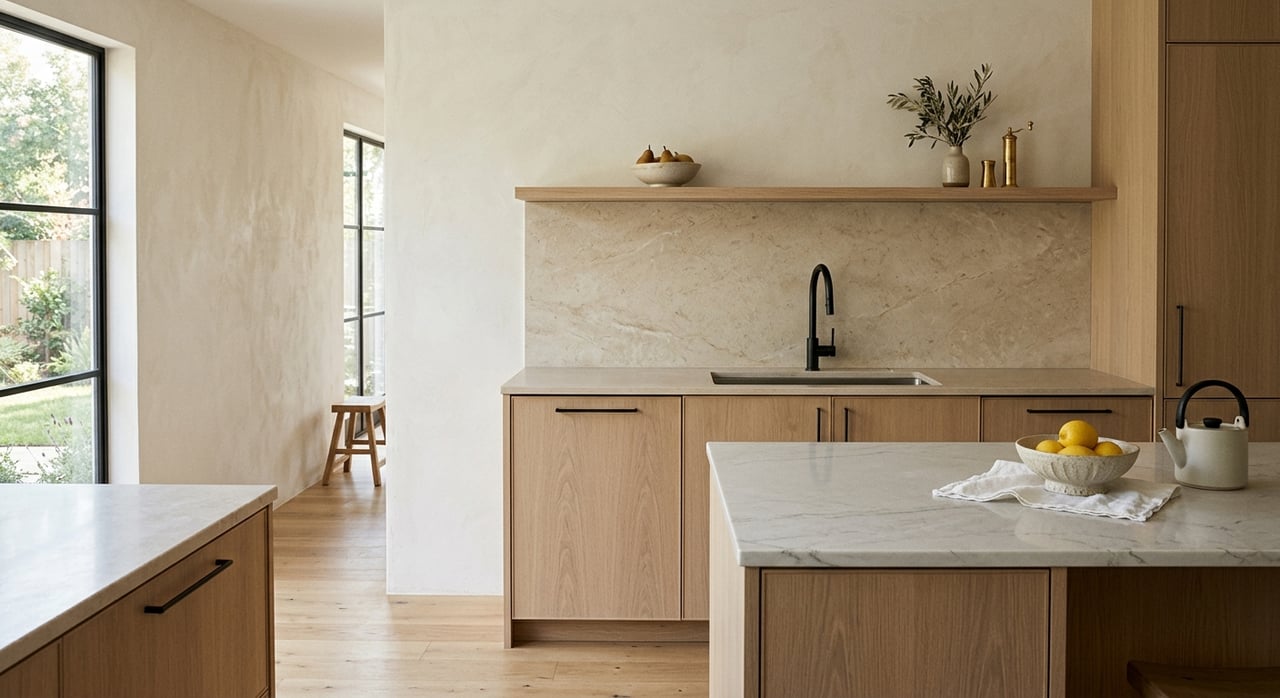
You do not always need a major renovation to improve a kitchen’s presentation. Clean surfaces, clear counters, fresh grout or caulk, and small finish-level touch-ups can make the room feel more current and better maintained.
Buyers respond well to spaces that feel calm and restful. Neutral bedding, balanced furniture placement, and fewer personal items can help the room read as a retreat instead of a storage zone.
A dining room helps buyers picture how the home lives day to day and during gatherings. Keep it simple, proportionate, and uncluttered so the room feels purposeful rather than underused.
Once your punch list is done, move into repairs and updates. This is where many sellers can save themselves stress later by handling visible issues before photography and showings begin.
Minor repairs matter because they signal care. A loose handle, chipped trim, or old caulk line may seem small, but together they can make buyers wonder what else has been overlooked.
At the same time, it is important to match the project scope to your timeline and your likely return. A strategic pre-sale refresh is not the same as a full remodel.
In Irvine, a building permit is generally required to erect, construct, enlarge, alter, repair, move, improve, remove, convert, or demolish a building or structure. Painting, papering, and other finish work are listed as exceptions.
That distinction matters when you are planning pre-listing work. Cosmetic refreshes are usually easier to schedule and complete, while structural or systems work may require more time, paperwork, and coordination.
If your work goes beyond finish-level updates, check with the City of Irvine before you commit to the scope or the schedule. That can help you avoid delays that affect your launch date.
Irvine also limits construction hours to 7 a.m. to 7 p.m. Monday through Friday and 9 a.m. to 6 p.m. on Saturdays, with construction prohibited on Sundays and federal holidays. If you are trying to prepare a home quickly, those rules can affect your planning.
A market-ready home is more than a clean house with fresh paint. The strongest results usually come from a coordinated launch plan that ties together preparation, staging, photography, and timing.
That approach fits especially well in Irvine, where presentation can influence how buyers perceive value from the moment a listing goes live. The goal is not to overdo it. The goal is to create a cohesive first impression that feels intentional, polished, and easy for buyers to connect with.
For sellers who want a more elevated process, this is where a service model like JOJO TRANSFORMATIONS can be especially useful. Rather than treating staging as a standalone task, the process can coordinate repairs, presentation, staging, photography, and launch logistics into one focused strategy.
Staging works best when it supports the home’s story. It is not about filling rooms with furniture. It is about helping buyers understand scale, function, and flow.
The staging research shows why this matters. Buyers’ agents said photos, videos, physical staging, and virtual tours were important or more important to their clients.
That means your home needs to perform in person and online. Today, many buyers form their first impression from listing media before they ever book a showing.
NAR also found that 20% of buyers’ agents believed staging increased the dollar value offered by 1% to 5%, and 21% of sellers’ agents said staging greatly decreased time on market. That does not guarantee an outcome for every property, but it does support staging as a meaningful part of a broader listing strategy.
Photography should happen after the home is fully prepared, not midway through the process. If touch-ups, landscaping, or staging are incomplete, your listing photos may undersell the work you have done.
Because photos were cited by 77% of buyers’ agents as important or more important to clients, your visuals should be treated as part of the launch itself. The same goes for video and virtual tour assets when they fit the property and marketing plan.
In a design-forward listing strategy, the order matters:
Presentation is only one part of being market-ready. In California, disclosure readiness matters too.
California’s Transfer Disclosure Statement applies to single-family residential transfers and must be delivered to the buyer before transfer of title. The form is intended to provide meaningful disclosures about property condition, and it is not a warranty.
California also requires a separate Natural Hazard Disclosure statement when a property is in mapped flood, fire, seismic, or related hazard zones. If a hazard map is unclear, California guidance says the seller or seller’s agent may need to mark “Yes” unless an expert report verifies the property is outside the zone.
To support cleaner disclosures and reduce last-minute surprises, gather these records before launch when possible:
Having these items ready can make the listing process smoother and help you answer buyer questions with more confidence.
One of the biggest questions sellers ask is how much they should actually do before listing. The answer depends on your home’s condition, your timeline, and your pricing strategy.
In many Irvine homes, the smartest plan is not a full renovation. It is a targeted transformation that improves condition, elevates presentation, and supports a clean, confident launch.
That can mean different things from one property to the next. For one seller, it may be decluttering, paint touch-ups, staging, and photos. For another, it may include deeper repair coordination and more design-led preparation.
The key is to make decisions in the right order. Start with what buyers notice most, confirm whether permits may be needed for larger work, and tie every choice back to how the home will show, photograph, and compete.
If you are thinking about selling in Irvine and want a thoughtful, design-led plan for getting from lived-in to market-ready, JoJo Romeo & Associates can help you map the right transformation strategy for your home.
Stay up to date on the latest real estate trends.

As one of coastal Orange County's premier luxury real estate experts, JoJo Romeo-Watson is known by peers and clients alike for her integrity, perseverance and high-level negotiation skills, along with her grounded personality and infectious enthusiasm. JoJo is committed to providing unmatched service, responsive communication, and meticulous attention to detail and transparency throughout each transaction - all delivering exceptional results for her clients.

1200 Newport Center Dr Ste 100 Newport Beach CA 92660